
#177: World Cup City - Ecuador 🇪🇨
Day 10: Well, there's chocolate, and there's chocolate

Welcome to an ongoing Brussels Notes series exploring the 48 participating countries of the 2026 World Cup, without leaving Brussels. Read the explainer, and then subscribe.
Ecuador and Belgium, two countries on the face of it with little in common; one, a former colonial power, the other a former colony. Belgium, with its temperate climate, Ecuador on the edge of the Amazon. Belgium as one of the flattest places on earth, and Ecuador home to one of its highest points, Most Belgians will never visit Ecuador. Most Ecuadorians are unlikely ever to be able to afford the price of a holiday to Belgium.
Both countries share a Spanish legacy, even if Belgium’s ended much further back in history than Ecuador’s. And yet, there is something that both countries share, something that is both a product and a consequence of their respective experiences of colonialism and imperialism. No, I’m not talking about their shared adoration of the potato, but about their other - more famous - export, chocolate: Ecuador, as the place where cocoa beans were first harvested, and Belgium as probably the most famous chocolate-producing country in the world (sorry, Switzerland).
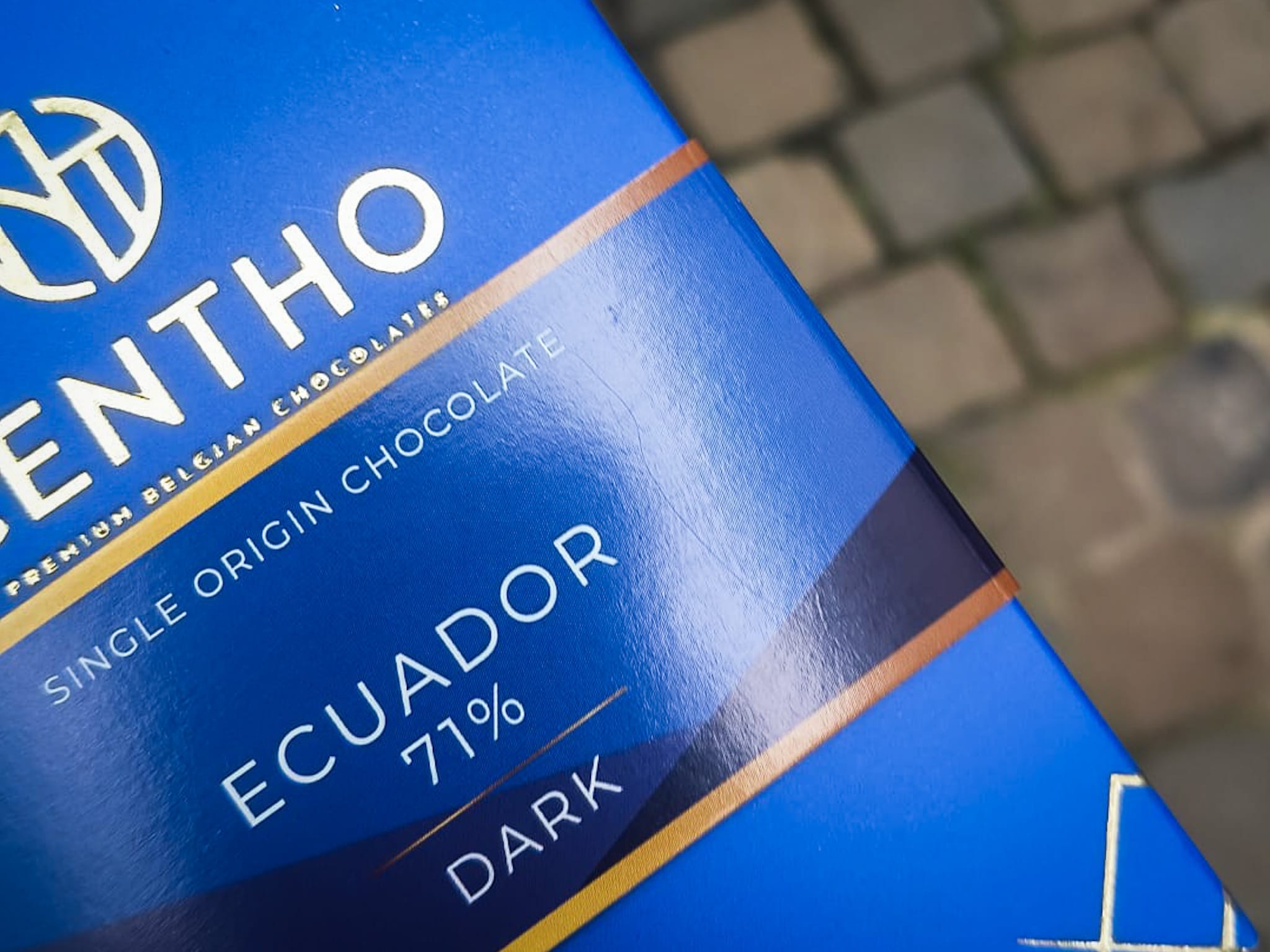
In a branch of Flanders’ best chocolatiere (2024) close to my office I bought a bar of single origin, 71% dark chocolate. It was a delicious piece of chocolate, soft and not so bitter - certainly less bitter than the 71% designation might suggest, and accessible enough for someone who still believes that white chocolate is the best chocolate.
It was, the manufacturer’s website says, made with cocoa beans from the Los Ríos and Esmeraldas regions - both areas planted with massive cocoa bean plantations by Ecuador’s Spanish overlords in the 19th century and still heavily reliant on the production and export of said cocoa beans. That is the position that Ecuador still occupies in the global chocolate supply chain: a bulk supplier of the raw materials. Belgium, for obvious reasons, has no cocoa bean plantations; its position as one of the foremost chocolate-making countries is down to expertise developed during, and facilitated by, Belgium’s period of colonial control over the Congo and other parts of central Africa. Belgium relinquished this control in the 1960s, but has maintained its preeminent role at the end of the production process where the real money is to be made.
Ecuador’s national minimum wage is, taking exchange rates into account, about €12 a day. For this bar of chocolate, six small squares, I paid €8.
Tomorrow, it’s World Cup time, baby!
Thanks for reading - I’m writer Eoghan Walsh and this is my weekly free-to-subscribe newsletter about life in Brussels. If you like it and you’re not already subscribed, you can sign up here!